

Learning basic concepts is the most crucial part of any child’s learning. This project centers on game design for children ages 5 to 15, aiming to teach them the concept of reflection from their curriculum in a fun and accessible way. It began as a 24-hour challenge, where students from various schools were invited to play the game. Through user testing, we identified challenges and areas for improvement.
03 · Develop
Ideation
Since the topic and age group were already known, I started ideating on the type of game, different types of boards and play styles.
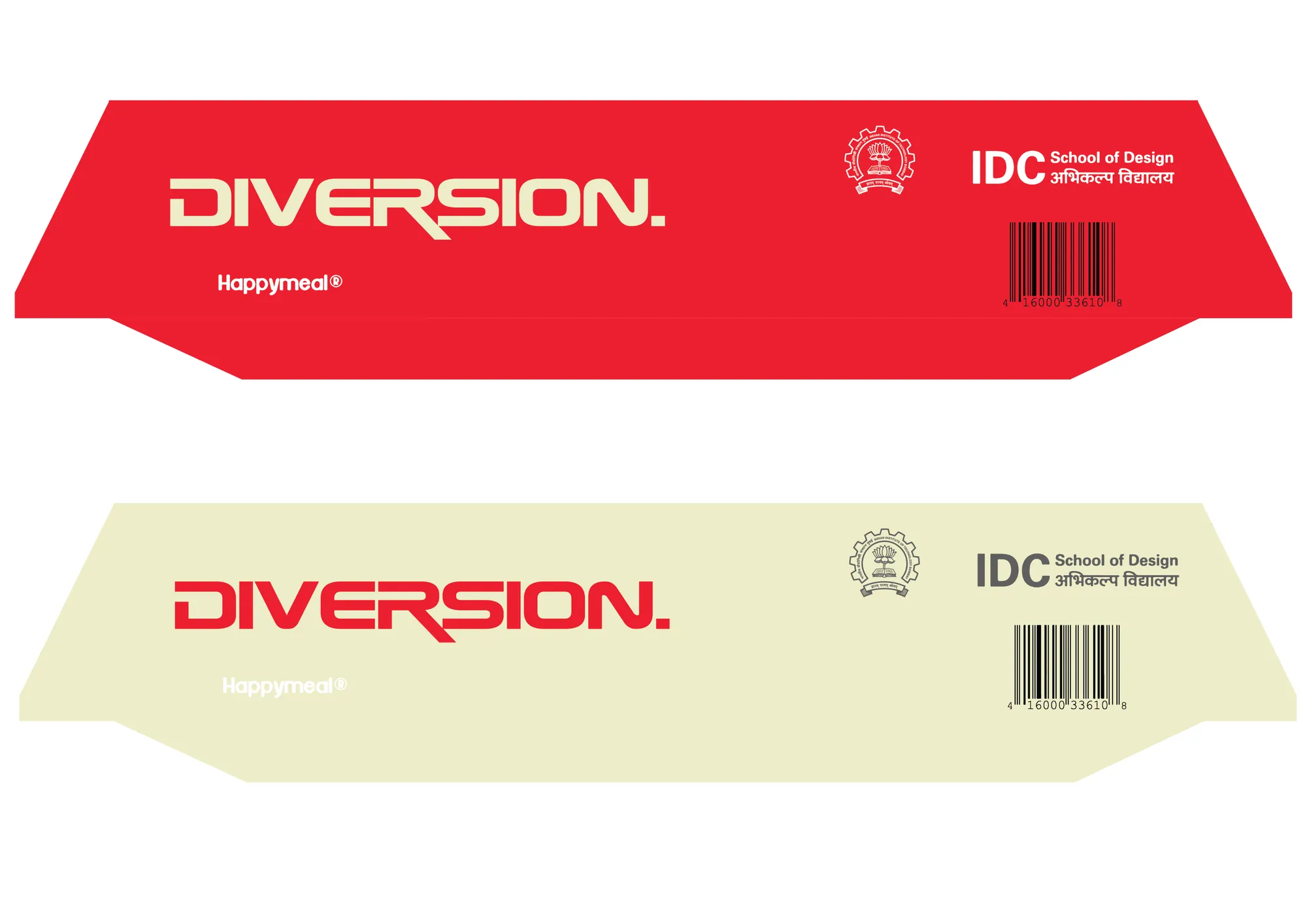
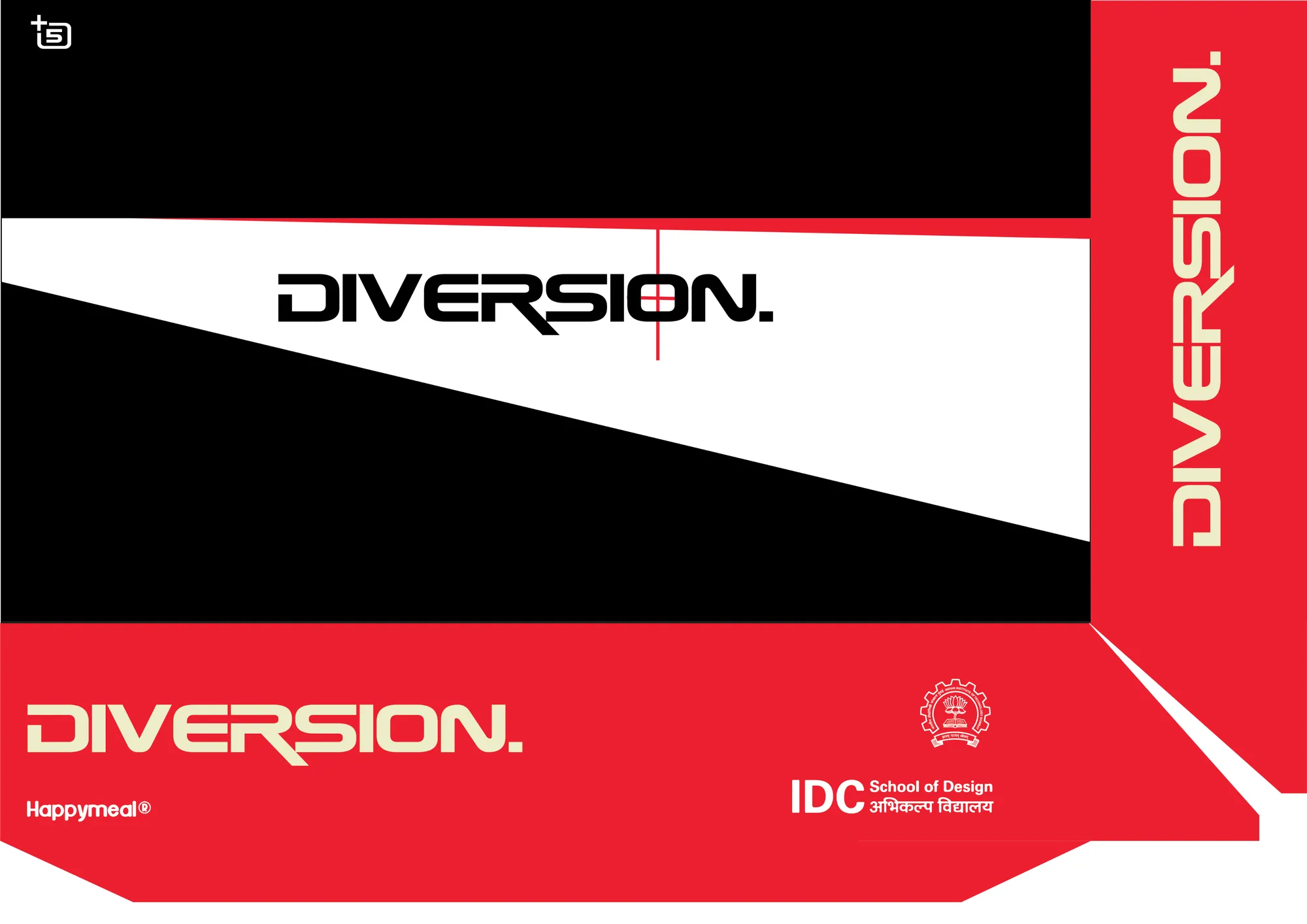
I went ahead with an idea called DIVERSION, which uses the first law of reflection (Angle of Incidence = Angle of Reflection) using two mirrors parallel to each other and a laser light. As the Aim of the game is “to find the position of the model on the given board”, the black board has a translucent side which lights up to indicate whether the laser is hitting the object.
04 · Deliver
Final Game and User Testing
I completed the game by making two boards, one to draw on and the other to hide the given coin. We called children from a school nearby to try the game out and observed their interaction with the game.
Points to be improved:
- Increase interaction between players and create conflict.
- Add a winning factor and create a point system or chances around it.
- Change the visual part of the game.
- Tweak the mechanics of the game.